


Choosing an Android phone in 2026 can be difficult because there are so many strong options across different price ranges. Some phones focus on cameras, while others stand out for battery life, gaming, software, or value.
I compared the leading Android phones based on their features, performance, pricing, and overall strengths.
From that comparison, I picked the top models for specific needs, including the best overall phone, best camera, best battery life, best gaming phone, best budget option, best value, and more. This guide breaks down what makes each phone worth considering and who it is best suited for.
Quick Comparison
To make things easier, I have added this quick comparison section so that you can quickly make your decision about buying the best Android phone based on your priorities and price range.
| Your Priority | Best Pick | Starting Price |
| An all-rounder with no weak points | Samsung Galaxy S26 Ultra | ~$1,300 |
| Best possible camera and zoom | Oppo Find X9 Ultra | ~$1,850 |
| All-day battery without a top-up | OnePlus 15 | ~$900 |
| Smooth, sustained gaming performance | Asus ROG Phone 9 Pro | ~$1,200 |
| Lowest price without cutting too many corners | Motorola Moto G Power (2026) | $299 |
| Large screen for work and multitasking | Samsung Galaxy Z Fold 8 Ultra | ~$2,099 |
| Best overall value for the price | Google Pixel 10a | $499 |
| Flagship features in a smaller body | Google Pixel 10 Pro | ~$999 |
| Foldable experience at a lower entry point | Samsung Galaxy Z Fold 8 | ~$1,799 |
| Deepest on-device AI features | Google Pixel 11 Pro | ~$999 |
After this quick comparison, I am going to describe each model in detail in the next section. These details will give you a proper idea of what each model is best for. By studying these details, you will be able to make a purchase decision that you will not regret later.
The 10 Best Android Phones in 2026
1. Samsung Galaxy S26 Ultra – Best Overall Android
The Samsung Galaxy S26 Ultra is the phone I’m using right now, and it has been an easy choice for my top overall pick. It does not rely on one standout feature. Instead, it combines the Snapdragon 8 Elite Gen 5 chipset, an improved 200MP camera system, a new privacy display, and better battery life into one well-rounded package.
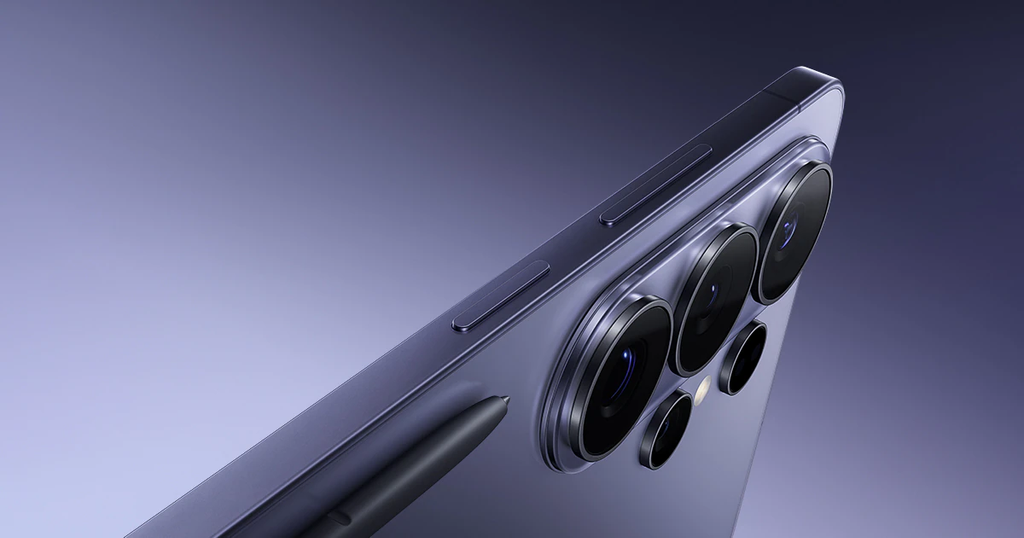
The Galaxy AI features also feel more useful in everyday use than they did on earlier models. It is expensive, and the large camera bump makes the phone slightly top-heavy, but if you want one Android phone that handles almost everything well, the S26 Ultra is hard to beat.
Key Features:
- Snapdragon 8 Elite Gen 5 chipset
- 200MP main camera plus 50MP 5x telephoto
- New privacy display technology
- Long-term Galaxy AI software support
Best for: Buyers who want zero major compromises
2. Oppo Find X9 Ultra – Best Android for Camera
Oppo built the Find X9 Ultra around a single obsession: photography. It’s the first phone with two separate 200MP sensors, one on the main lens and one on the 3x telephoto, paired with a rare 10x periscope zoom most flagships have abandoned.

DXOMARK’s testing ranks it among 2026’s top camera phones, especially for zoom and portraits. It’s heavy, thick, and pricier than its specs suggest, but for anyone who treats their phone as a primary camera, the output justifies the trade-offs. This is a phone for people who care more about the shot than the shape.
Key Features:
- Flagship-grade multi-lens camera system
- Strong low-light and zoom performance
- Premium build with a heavier, thicker chassis
- Advanced computational photography processing
Best for: Mobile photographers who prioritize image quality above all
3. OnePlus 15 – Best Android for Battery Life
The OnePlus 15 quietly outlasts nearly every flagship competitor, making it the obvious pick for anyone who dreads the mid-afternoon battery panic.
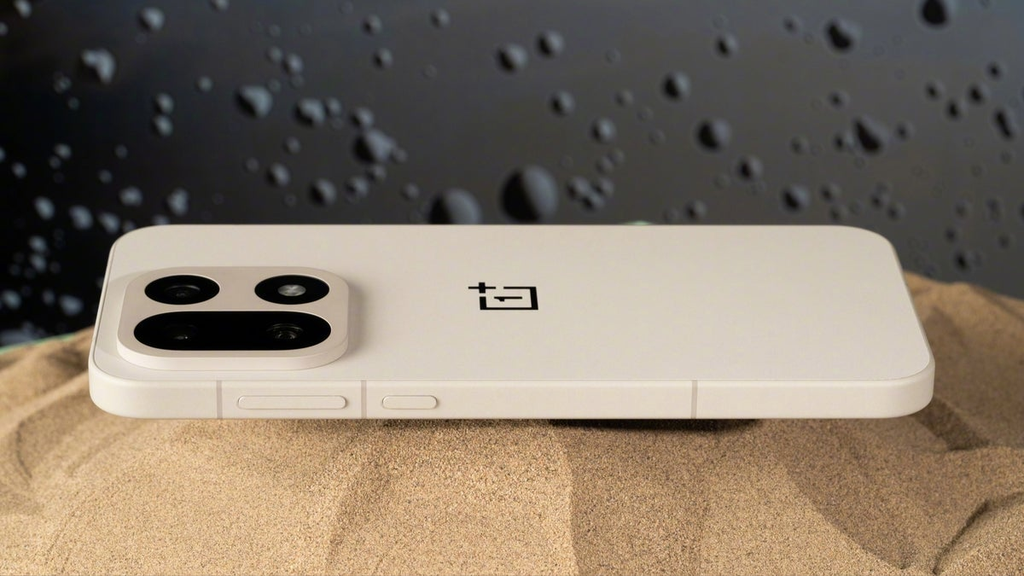
This OnePlus model runs on the Snapdragon 8 Elite Gen 5 and pushes a smooth 165Hz display without draining itself in the process. Where it falls short is long-term software support, which trails Samsung and Google. If your priority is a phone that survives a full day of heavy use without a top-up, this is the safest bet on the list.
Key Features:
- Class-leading multi-day battery endurance
- Snapdragon 8 Elite Gen 5 performance
- 165Hz high-refresh display
- Fast wired charging
Best for: Heavy users who rarely want to think about charging
4. Asus ROG Phone 9 Pro – Best Android for Gaming
I have a gamer friend who uses the Asus ROG Phone 9 Pro, and it is easy to see why it appeals to serious mobile gamers. The phone combines a Snapdragon 8 Elite chipset with a 185Hz display and a GameCool 9 thermal system designed to keep performance stable during long gaming sessions.
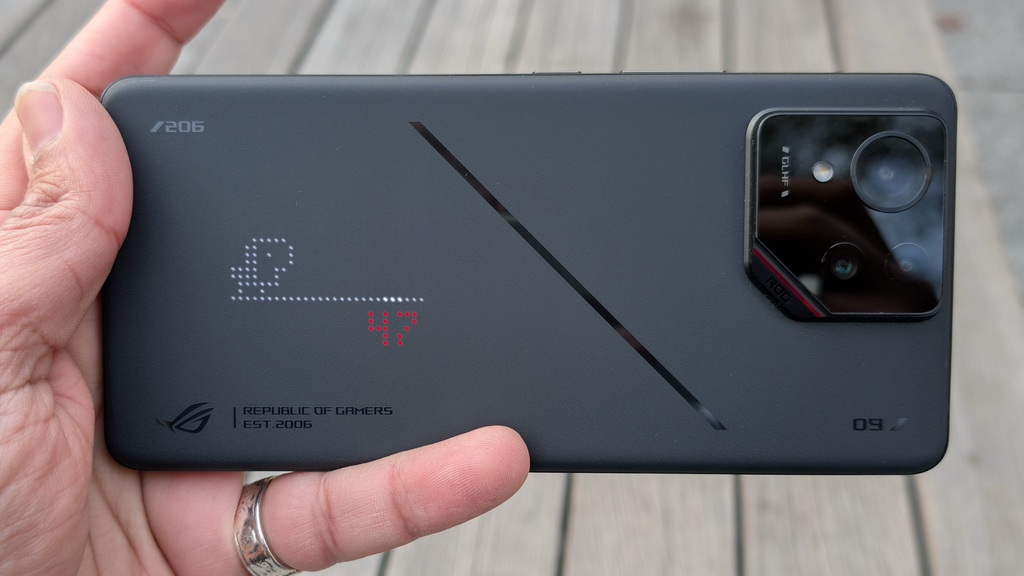
The physical AirTriggers also give it console-style shoulder buttons, while the optional AeroActive Cooler X Pro can provide extra cooling. The design is clearly made for gamers, and the phone is heavier than most standard flagships.
For players who care about high frame rates and stable performance, it is one of the strongest gaming phones available.
Key Features:
- Enhanced cooling for sustained performance
- Exceptionally long battery life under heavy load
- High refresh-rate display tuned for gaming
- Gaming-focused design and grip ergonomics
Best for: Mobile gamers who play for hours at a stretch
5. Motorola Moto G Power (2026) – Best Budget Android
At $299, the Moto G Power (2026) proves budget phones don’t need to feel cheap. It brings IP68/IP69 water resistance, a genuine ultrawide camera, and a 5,200mAh battery that comfortably stretches into a second day, features many pricier phones skip.
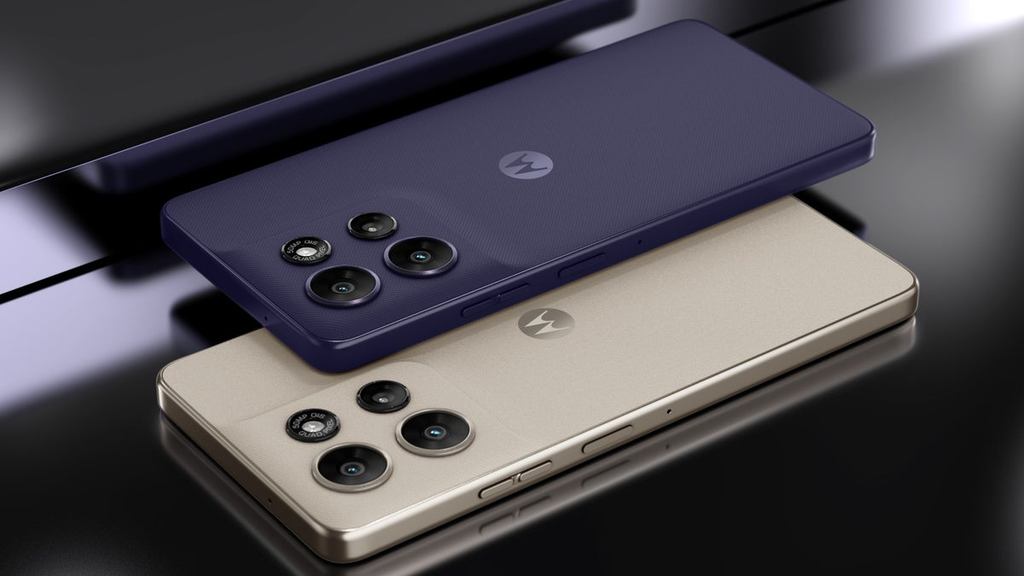
It won’t compete on raw performance, but for buyers who just need a dependable daily phone without flagship pricing, it’s the strongest budget option available.
Key Features:
- 5,200mAh battery for multi-day use
- IP68/IP69 water and dust resistance
- Real ultrawide camera lens
- Gorilla Glass 7i display protection
Best for: Budget-conscious buyers who still want durability
6. Samsung Galaxy Z Fold 8 Ultra – Best Premium Android
Galaxy Z Fold 8 Ultra is Samsung’s most capable large-screen device, closer to a pocket tablet than a phone. Its inner display can run up to four apps side by side, making it genuinely useful for multitasking, not just a novelty.
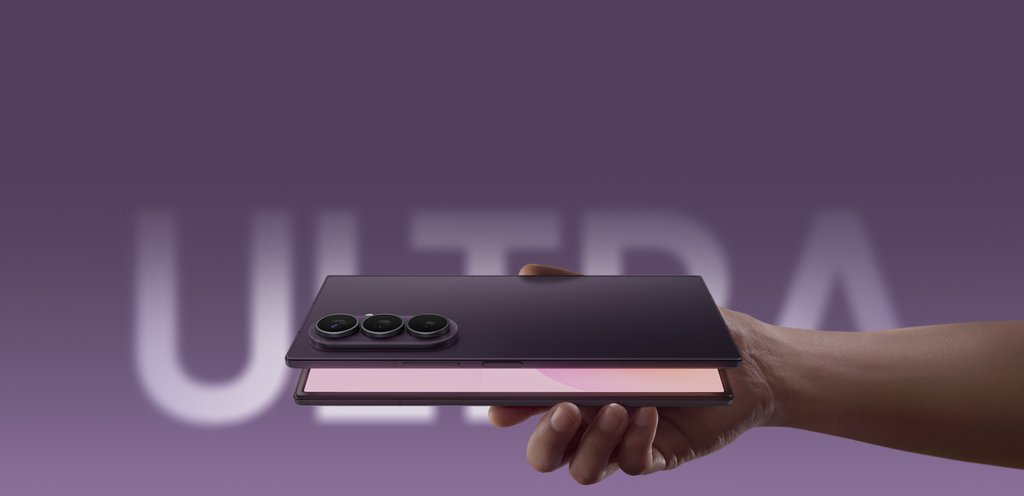
At over $2,000, it’s a serious investment, and the folded form factor is thicker and heavier than a standard slab phone. It’s built for buyers who see their phone as a productivity device first.
Key Features:
- Large inner display supporting multi-app multitasking
- Premium build quality and materials
- Flagship-level chipset and cameras
- Android 17 with One UI 9
Best for: Power users who want tablet-level productivity in their pocket
7. Google Pixel 10a – Best Value for Money
My brother is pretty careful with his money, so the fact that he picked the Google Pixel 10a says a lot about its value. At $499, it offers a smooth 120Hz OLED display, a large battery, and seven years of software support, which is hard to match at this price.

The camera and performance cannot compete with high-end flagships, but that difference is not important for most everyday users. For my brother, it delivers everything he needs without paying for features he would rarely use. If value is your priority, the Pixel 10a is one of the easiest phones to recommend.
Key Features:
- 120Hz OLED display
- 5,100mAh battery
- Seven years of promised software updates
- Clean, bloat-free Android experience
Best for: Everyday buyers who want maximum value
8. Google Pixel 10 Pro – Best Compact Android Phone
Not everyone wants a phone the size of a small tablet, and the Google Pixel 10 Pro is built for that audience. It’s noticeably easier to hold one-handed than most flagships, without giving up Google’s signature computational photography or Pixelsnap magnetic charging.

Performance still trails the very top tier, but for buyers who prioritize comfort and pocketability over raw horsepower, it’s the best-balanced small phone available.
Key Features:
- Compact 6.3-inch form factor
- Strong computational photography
- Pixelsnap magnetic charging
- Clean, fast Android software
Best for: Buyers who want flagship features in a smaller footprint
9. Samsung Galaxy Z Fold 8 – Best Foldable Android
The standard Z Fold 8 offers most of what makes the Ultra appealing, including a spacious inner display, a refined hinge, and genuine multitasking utility, at a more approachable price.
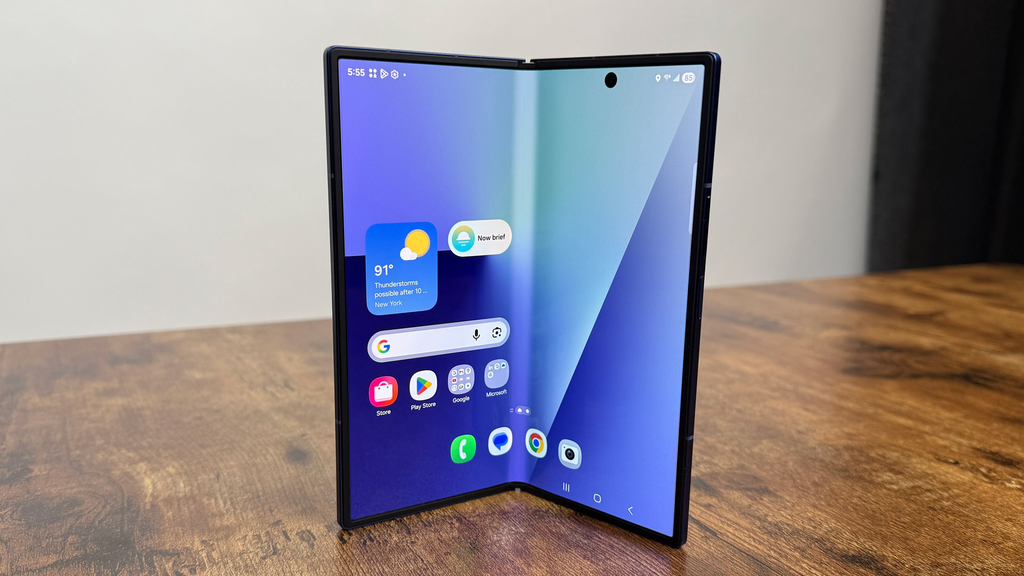
It’s the pick for buyers curious about foldables who aren’t ready to commit to the Ultra’s price tag. The trade-off is a slightly less premium camera and build compared to its bigger sibling.
Key Features:
- Large, refined inner foldable display
- Improved hinge durability over past generations
- Strong multitasking capability
- More accessible pricing than the Ultra
Best for: First-time foldable buyers who want the experience without the top-tier price
10. Google Pixel 11 Pro – Best Android for AI Features
If on-device AI is your main draw, the Pixel 11 Pro leads the pack. It weaves Artificial Intelligence directly into everyday tasks, including photo editing, call handling, and contextual assistance, more deeply than any other phone here.
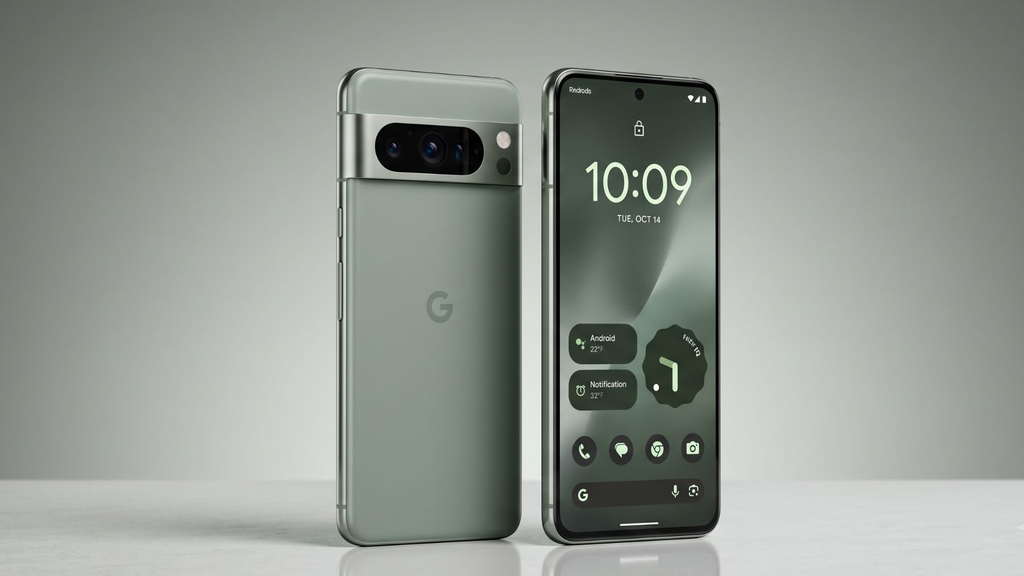
Raw specs aren’t the headline. The software experience is. It’s a strong pick specifically for buyers who want their phone to actively assist them, not just respond to commands.
Key Features:
- Deep on-device AI integration across apps
- AI-powered photo editing built into the camera
- Strong contextual assistant capabilities
- Regular, fast software updates
Best for: Buyers who want the most AI-forward Android experience
Final Answer – What’s the Best Android Pick for You?
There’s no single best Android phone in 2026, only the best one for your needs. In my opinion, if you want an all-rounder, the Galaxy S26 Ultra is hard to beat. On the other hand, if value matters most, the Pixel 10a delivers far more than its price suggests.
At the end of the day, the decision remains on your main priorities. So, match your priorities, whether that’s camera quality, battery life, or budget, to the picks above, and you’ll end up with a phone you’re happy with long after the new-phone excitement fades.
Questions That Will Help You Make a Purchase Decision
The OnePlus 15 currently leads on real-world battery endurance among mainstream flagships. Gaming phones like the Asus ROG Phone 9 Pro can last even longer under specific conditions.
Foldables have matured significantly and now offer genuine multitasking benefits, especially for work-heavy users. They still cost more and weigh more than standard phones, so they suit specific needs rather than everyone.
The Google Pixel 10a is the strongest option under $500, offering a large battery, smooth display, and seven years of software updates. The Motorola Moto G Power (2026) is a solid alternative at an even lower price.
Premium Samsung and Google phones now offer up to seven years of updates, while many budget and mid-range phones offer three to five. Always check the update policy before buying if you plan to keep your phone long-term.
Not necessarily, but dedicated gaming phones like the Asus ROG Phone 9 Pro offer better sustained performance and cooling. Standard flagships like the Galaxy S26 Ultra still handle most games comfortably for casual players.
