



When an Android app starts loading slowly, freezing, or behaving strangely, clearing its cache is the safest first move before you reset or reinstall anything.
Clearing an app’s cache only removes temporary files without deleting your photos, accounts, or personal data. The option you need to be careful with is Clear storage or Clear data, which actually removes the app data.
Here’s how to clear an app’s cache safely and know exactly what you’re removing.
How to Clear an App’s Cache on Android
Exact menu labels can vary by phone, but on most Android devices you can do it by following these steps:
- Open Settings.
- Tap Apps.
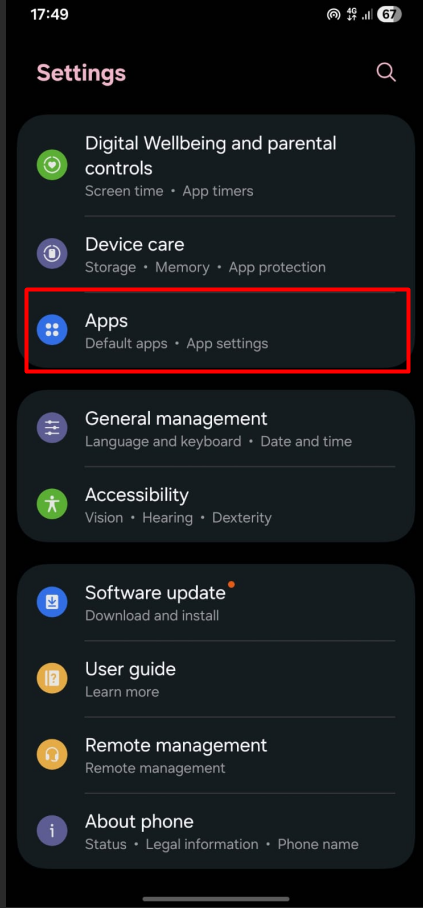
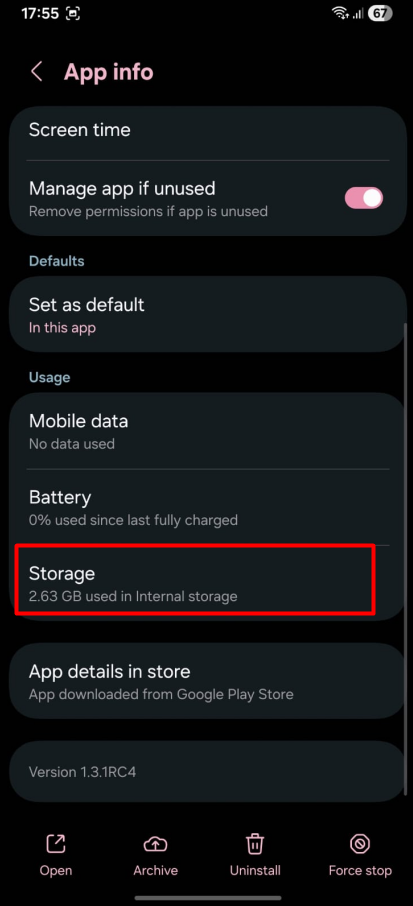
- Select the app you want to check.
- Tap Storage or Storage & cache.
- Tap Clear cache.
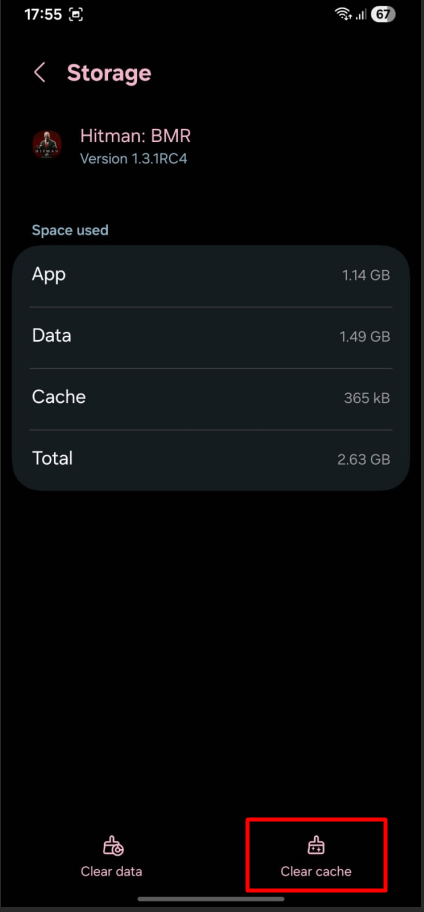
Now reopen the app and see if the problem is gone.
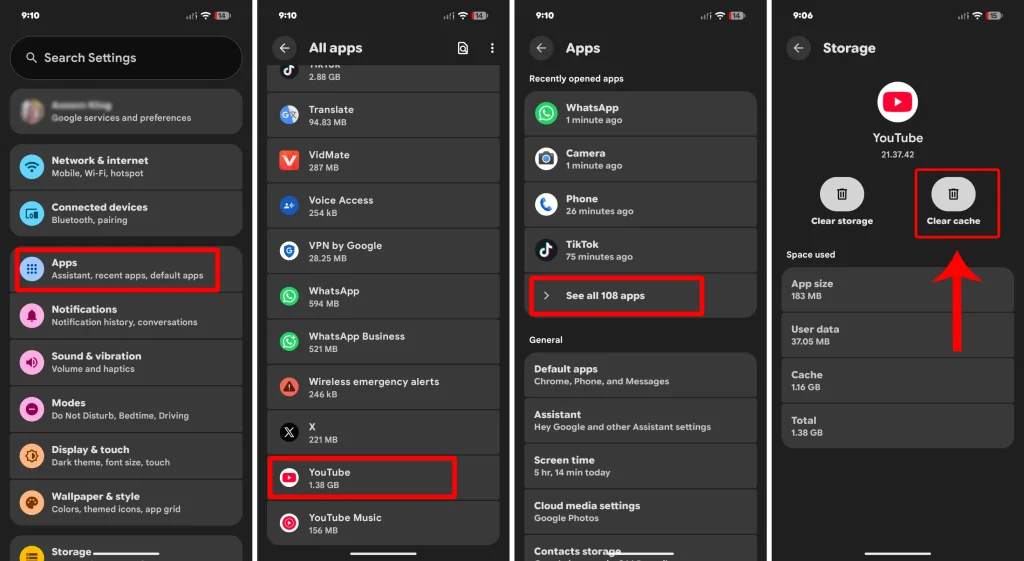
Here’s a quick visual guide to see the steps in action :
What Happens When You Clear App Cache?
Clearing an app’s cache immediately removes its temporary files and frees up space on your device.
However, as Google Android Help notes, the app may open slightly slower the next time you launch it because Android has to rebuild that cached data from scratch.
This temporary rebuilding process forces your phone’s processor to work harder briefly, causing temporary battery drain before power consumption returns to normal.
Will Clearing Cache Delete My Photos, Messages, or Login?
No, clearing an app’s cache will never delete your photos, messages, account logins, or saved files.
Android keeps temporary cache completely separate from your personal app data:
| Option | What happens |
| Clear cache | Temporary app data is removed |
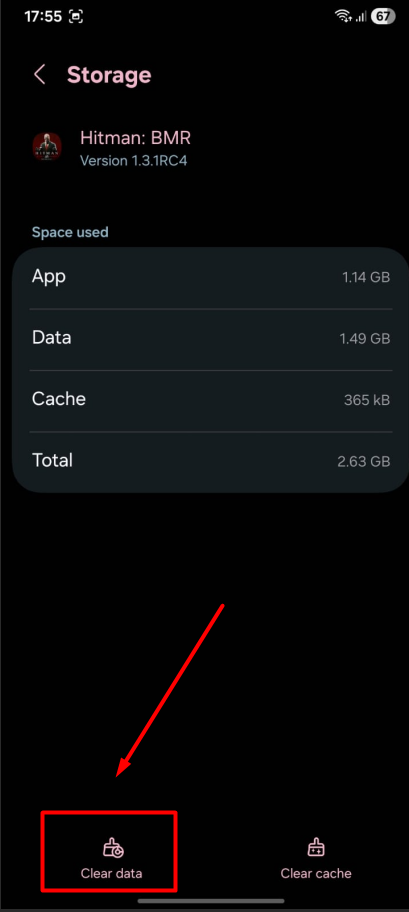
| Clear storage/data | Stored app data is permanently deleted |
Choose the Clear data option only when you want the app’s data to be permanently removed.
How to Clear App Cache on a Google Pixel
On a Google Pixel, follow these steps:
- Open Settings and go to Apps.
- Tap See all apps.
- Select the app you want to clear the cache for.
- Tap Storage & cache and hit Clear cache.
What About Samsung Galaxy Phones?
On a Samsung Galaxy, follow these steps:
- Open Settings.
- Tap Apps.
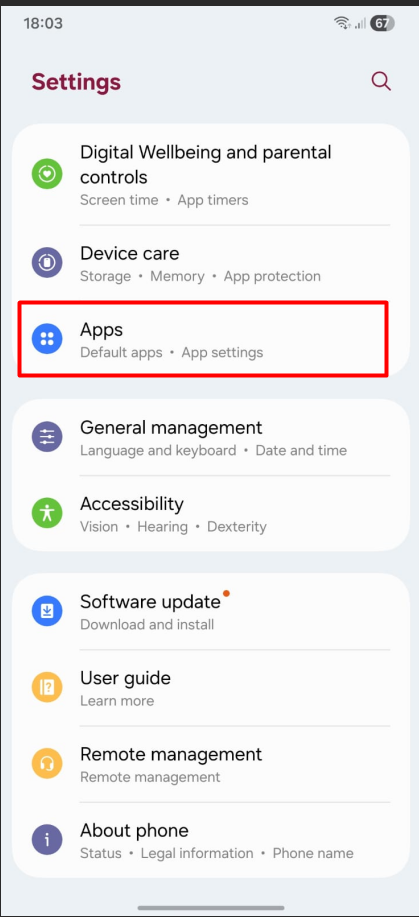
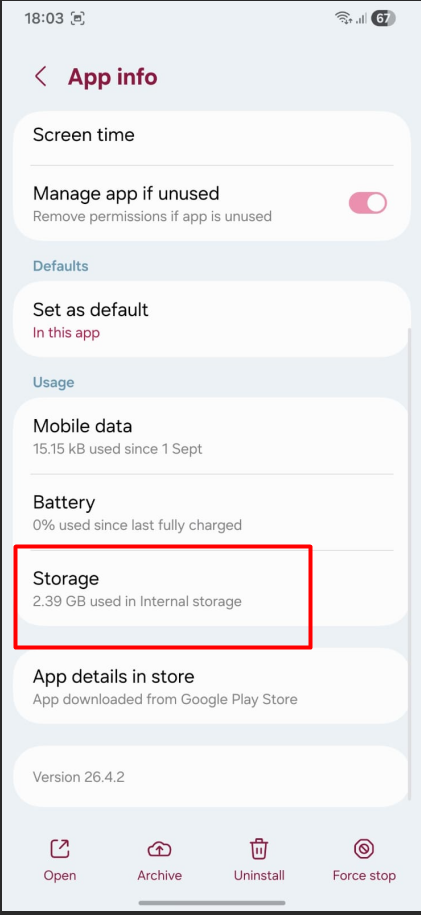
- Select the app you want to manage.
- Tap Storage.
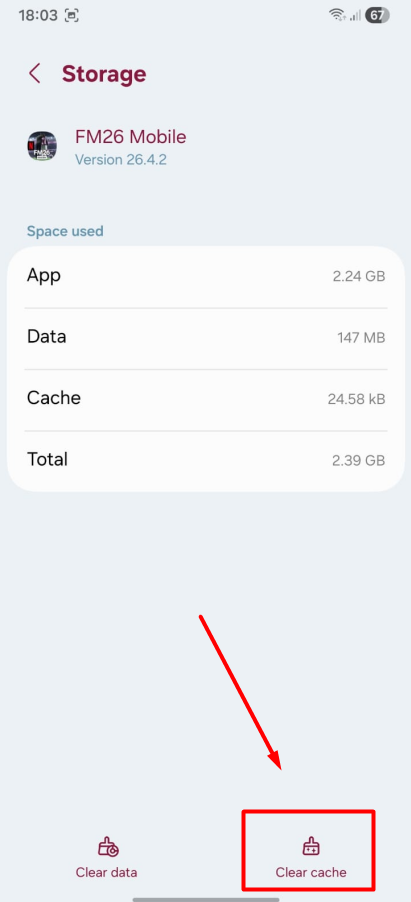
- Tap Clear cache.
Should You Clear the Cache for Every App Daily?
No, you should not routinely clear the cache for every app. Cache clearing is a troubleshooting step, not regular maintenance.
Only clear an app’s cache if it is lagging, crashing, or you’re running out of storage.
If you notice an app continues consuming resources after you exit, cached files aren’t to blame. Instead, look into stopping the app from running in the background.
What If Clearing the Cache Doesn’t Fix the App?
Don’t keep clearing the same cache expecting a different result.
- Reopen and test: Confirm whether the issue is still there.
- Restart and update: Reboot your phone, then check for pending app or Android updates.
- Target the symptom: Force stop an app that keeps crashing, or check available storage if updates refuse to download.
So now be sure that clearing an app’s cache is the safest first step when troubleshooting a laggy or glitchy app. This clears out temporary clutter without deleting your logins, settings, or saved files.

4 Comments
Pingback: Android App Keeps Crashing? Here’s How to Fix It
Pingback: Which Android Apps Are Quietly Draining Your Battery?
Pingback: How to Stop Apps Running in the Background on Android
Pingback: Android Storage Full? Here’s What to Delete First