


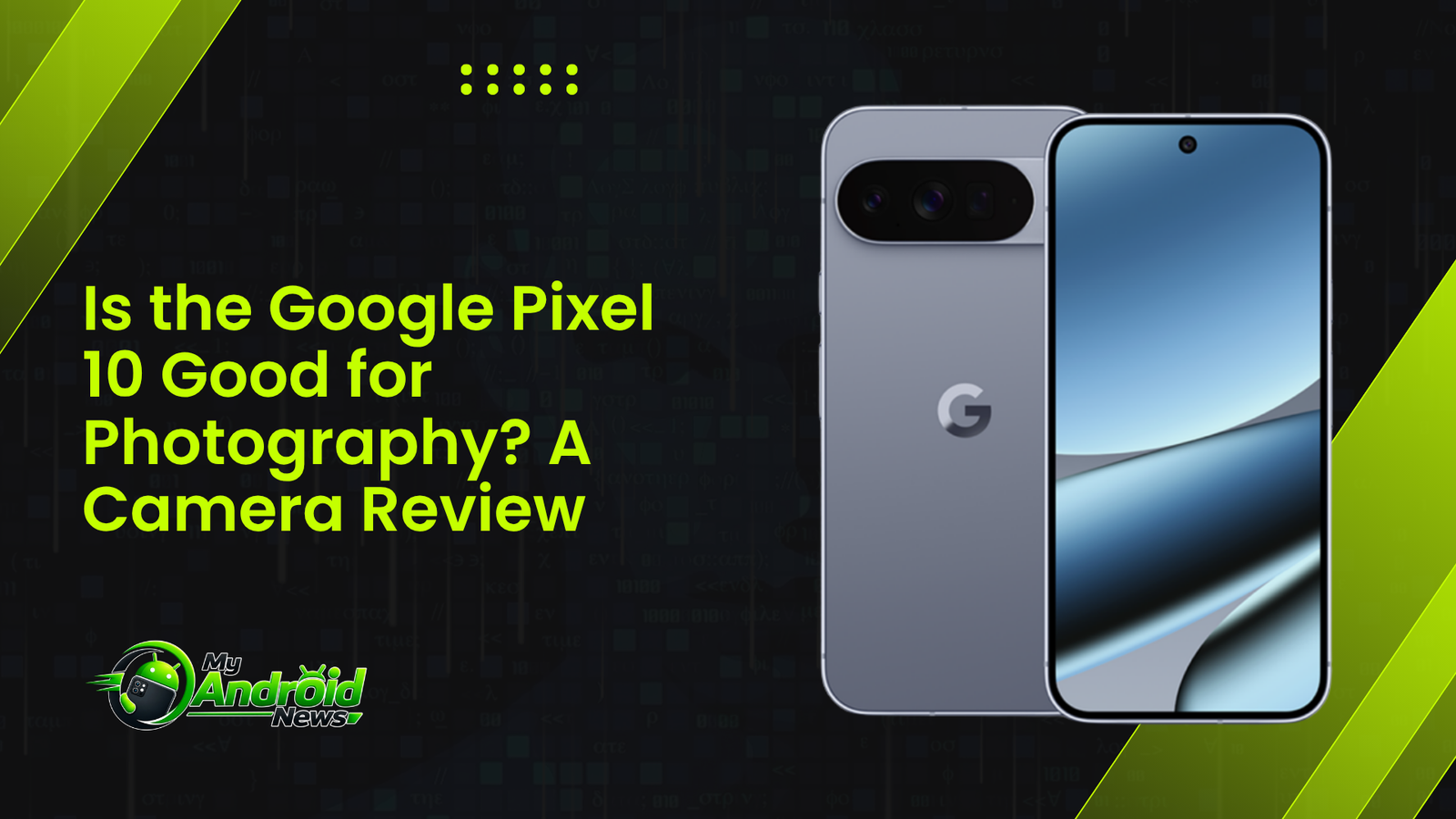
Google Pixel 10 is a good camera phone for everyday photography, with strong daylight shots, reliable Night Sight, natural skin tones, and a new 5x telephoto lens. It also offers useful AI-powered camera tools and solid video recording.
However, it is not a clear upgrade over the Pixel 9 in every area. Google uses smaller main and ultrawide sensors, which can affect detail in low light and shadows.
For casual photographers and travelers, the Pixel 10 is a well-rounded choice, while enthusiasts may want to compare it with the Pixel 10 Pro and other flagship cameras.
Pixel 10 Camera Specs at a Glance
The Google Pixel 10 uses a triple rear camera setup paired with a 10.5MP selfie camera carried over from last year.
| Camera | Specs |
| Main | 48MP, f/1.7, optical image stabilization (OIS) |
| Ultrawide | 13MP, 120° field of view |
| Telephoto | 10.8MP, 5x optical zoom, OIS |
| Front | 10.5MP, autofocus |
What Changed vs. the Pixel 9’s Camera
The headline upgrade is the dedicated 5x telephoto lens, something the standard Pixel 9 didn’t have. That’s a real win for anyone who shoots distant subjects often.
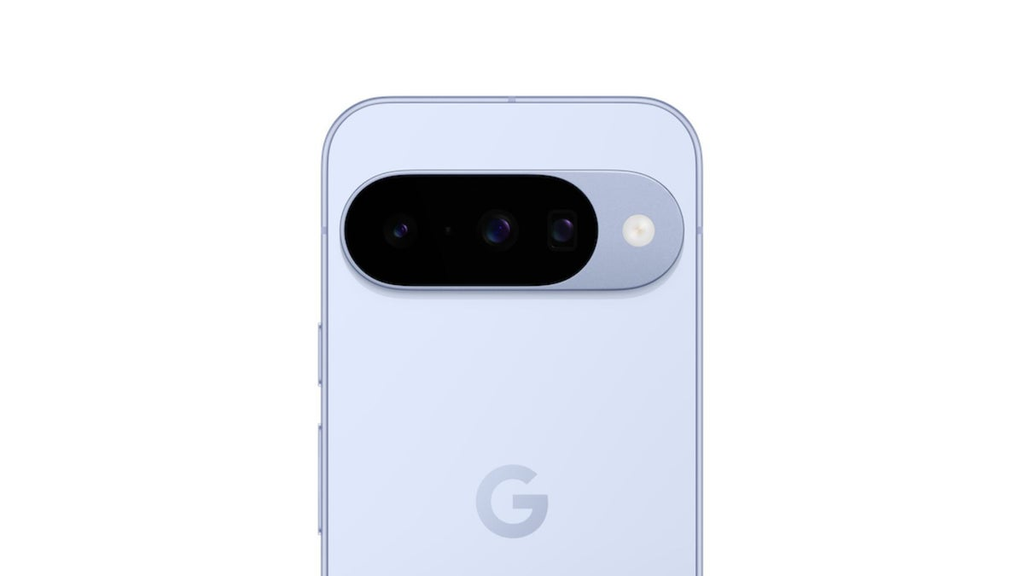
The trade-off is that the main and ultrawide sensors were downsized. The main camera dropped from a 50MP large sensor to a 48MP smaller one, and the ultrawide lost some field of view and its close-focus ability.
This is the first thing to understand before judging the rest of the camera’s performance.
Daylight & General Photo Quality
Main Camera Performance in Good Light
In well-lit conditions, the main camera performs reliably. Colors look accurate, exposure is well balanced, and daylight shots come out crisp with minimal noise. This is where the Pixel 10 still competes with pricier flagships.
Ultrawide Camera – Strengths and Trade-offs
The ultrawide camera captures a wide, distortion-free field of view that works well for landscapes and group shots. However, the smaller sensor introduces softness in shadows, and foliage or fine textures like brick and fabric don’t render as naturally as they did on the Pixel 9.
Detail, Sharpness & Color Accuracy
Fine texture retention is a mixed bag. Bricks, carpets, and other detailed surfaces hold up better than on competing Samsung phones, which tend to smooth out texture during processing. Indoor scenes with imperfect lighting show more softness than outdoor daylight shots.
Low-Light and Night Sight Photography
Night Sight remains one of the Pixel line’s strongest features, and the Pixel 10 continues that trend for the most part. Low-light photos maintain decent detail and manageable noise levels without needing a long exposure time.

That said, the smaller main sensor means the Pixel 10 doesn’t quite match the low-light headroom of last year’s model. Indoor shots under weak artificial light are noticeably softer, and shadow detail can look flatter than expected from a Pixel phone.
Zoom and Telephoto Performance
5x Optical Zoom in Real Use
The new 5x telephoto lens is the biggest functional upgrade on the Pixel 10. Photos at 5x zoom hold detail well, and this is a genuine step up for anyone photographing wildlife, sports, or distant landmarks.
How Pro Res Zoom Uses On-Device AI
Beyond the optical range, the Pixel 10 leans on Pro Res Zoom, a feature that uses an onboard diffusion model running on the Tensor G5 chip to enhance shots zoomed past 30x, all the way up to 100x.
In simple terms, the phone uses AI to reconstruct detail the sensor physically can’t capture.
Results at extreme zoom levels look impressive on a phone screen, but they’re closer to AI-assisted reconstructions than pure optical captures, so treat very high zoom shots as a convenience feature rather than a professional tool.
Portraits, People & Skin Tones
Portrait shots benefit from a few AI-assisted tools built into the camera app:
- Camera Coach guides users toward better framing and composition in real time
- Auto Best Take automatically picks the best expressions in group photos
- Add Me blends people into group shots when someone is missing, now with pet support
Skin tones generally look natural across a range of lighting conditions, which has long been a Pixel strength. Background blur in portrait mode is convincing, though edge detection around hair and complex outlines can occasionally slip.
Video Recording Quality
Video quality on the Pixel 10 is a genuine highlight. Footage looks sharp and color-accurate, and the phone supports 10-bit HDR recording for richer, more dynamic tones. Stabilization holds up well during handheld movement, which matters for anyone shooting casual video or social content.
Low-light video is solid but not exceptional, showing similar softness patterns to low-light stills. The phone also adds social-media-specific tools, including a low-light boost option inside apps like Instagram that brightens footage directly in the viewfinder.
AI Camera Features: Helpful or Overdone?
Where the AI Tools Add Real Value
Features like Camera Coach and Help Me Edit in Google Photos genuinely make it easier for casual users to take and improve photos without technical knowledge. These are practical additions, not gimmicks.
Where AI Processing Hurts Photo Realism
The downside is that AI processing on the Pixel 10 can’t be fully disabled. Some users find this makes photos look over-processed, particularly in tricky lighting where the algorithm tries to compensate for the smaller sensors. If you prefer a more natural, unprocessed look straight out of the camera, this is worth knowing before you buy.
Pixel 10 Camera: Pros and Cons

Pros:
- New 5x optical telephoto lens
- Strong daylight and video quality
- Reliable Night Sight performance
- Useful AI features like Camera Coach and Auto Best Take
- Natural skin tones in portraits
Cons:
- Smaller main and ultrawide sensors than the Pixel 9
- Some softness in shadows and indoor lighting
- AI processing can’t be turned off
- Ultrawide lost its close-focus capability
How the Pixel 10 Compares to Other Camera Phones
| Pixel 10 | iPhone 16 Pro Max | Galaxy S25 Ultra |
| 5x optical zoom | 5x optical zoom | 5x optical zoom |
| Strong texture rendering | Strong texture rendering | Tends to smooth detail |
| Very good low-light stills | Very good low-light stills | Very good low-light stills |
| Up to 100x AI zoom | Limited AI zoom | Up to 100x AI zoom |
| 10-bit video HDR | 10-bit Dolby Vision | 10-bit video HDR |
The Pixel 10 holds its own against these rivals like the iPhone and Samsung Galaxy, particularly in texture detail and its extended AI zoom range. Samsung’s processing tends to scrub away fine detail that both Google and Apple preserve more accurately.
Who the Pixel 10 Camera Is Best For
The Pixel 10 is a strong choice for casual photographers, travelers, and anyone who wants great photos without manual adjustments. The new telephoto lens and dependable Night Sight performance make it a well-rounded everyday camera phone, especially at its price point.
Who Might Want to Look Elsewhere
Photography enthusiasts who prefer minimal processing or need the absolute best sensor performance may find the smaller main and ultrawide sensors a step back from the Pixel 9. If pixel-level detail and natural, unedited output matter most to you, it’s worth comparing sample photos before committing.
Is the Pixel 10 Good for Photography? Final Verdict
The Pixel 10 is a strong photography phone for most everyday users. Its 5x telephoto lens, dependable Night Sight, natural colors, and useful AI tools make it versatile for travel, portraits, and casual shooting.
The smaller main and ultrawide sensors hold it back slightly in low light. Still, if you want a capable camera without manual adjustments, the Pixel 10 is an easy recommendation.
Do You Still Have Confusions?
What are the disadvantages of Google Pixel 10?
The main drawback the Pixel 10 has smaller main and ultrawide sensors than the Pixel 9, which can affect low-light detail. It also lacks silicon-carbide battery technology, and its AI photo processing cannot be fully disabled.
Is the Pixel 10 camera better than the Pixel 9?
It’s better for zoom thanks to the new telephoto lens, but the main and ultrawide sensors were downsized. Overall image quality is close, with different strengths on each phone.
Which Google Pixel phone is best for photography?
The Pixel 10 Pro (or Pro XL) is the best choice for photography, thanks to its larger sensors, 50MP portrait shots, and more refined Pro Res Zoom. The standard Pixel 10 is still a strong option if you want most of the same features at a lower price.
Is the Pixel 10 good for low-light or night photography?
Yes, Night Sight performance remains strong and produces clean, detailed low-light photos. It’s slightly behind the Pixel 9 due to the smaller main sensor, but still competitive.
Is the Pixel 10 or Pixel 10 Pro better for photography?
The Pixel 10 Pro offers additional features like 50MP portrait shots and Pro Res Zoom refinements not available on the base model. For most casual users, though, the standard Pixel 10 covers the essentials well.
