


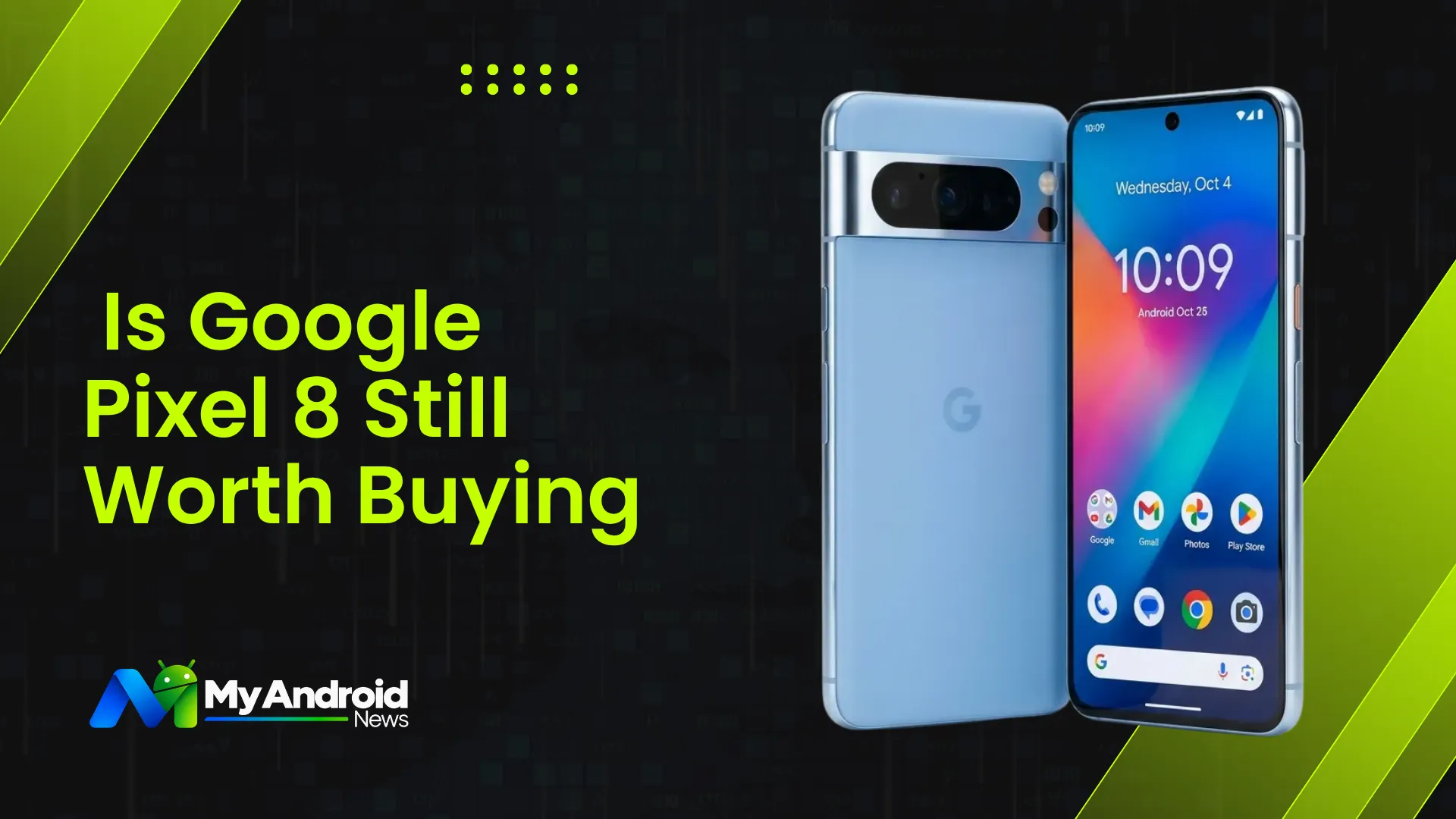
The Google Pixel 8, launched in 2023, remains one of the safest secondary-market Android purchases in 2026. Powered by Google’s Tensor G3 chip and a 50MP camera, it features a compact 6.2-inch 120Hz OLED display and guaranteed software updates through 2030.
While battery endurance and raw gaming power are average, its current pricing makes it a top-value choice over mid-range alternatives.
Based on long-term daily usage from our graphic designer Azeem Riaz, we looked beyond the original 2023 spec sheet to evaluate how Google’s former flagship holds up in 2026 and what you should check before buying one.
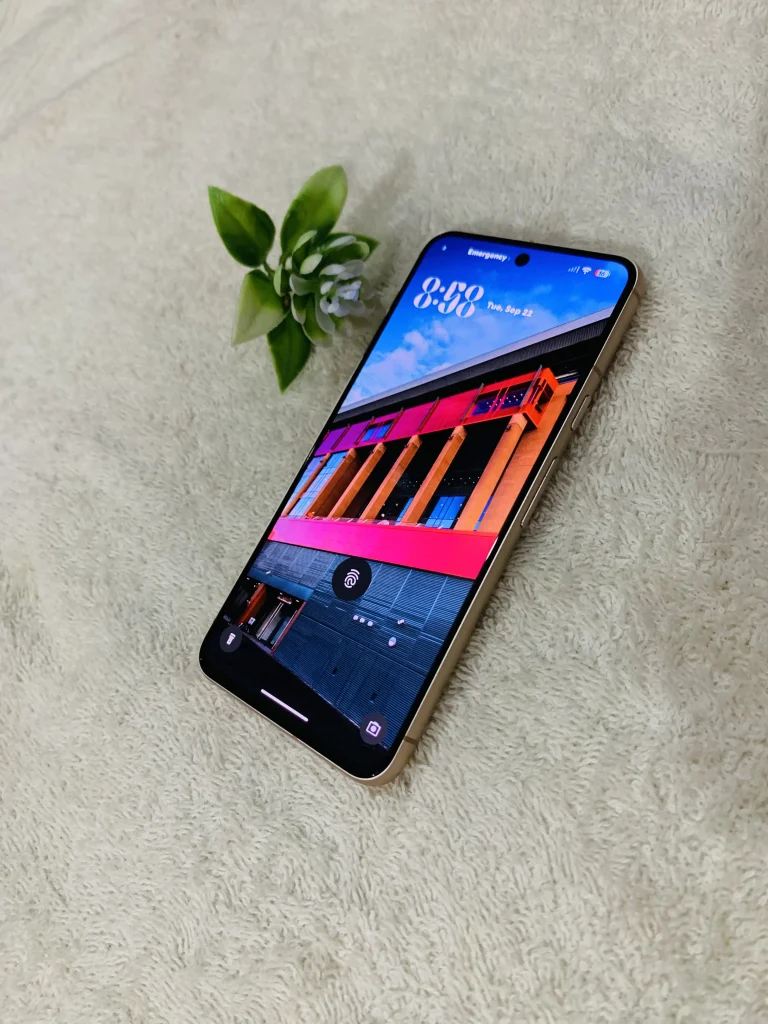
The Pixel 8 Still Feels Like a Capable Everyday Phone
For Azeem’s daily workflow, everyday performance remains smooth and reliable, and he hasn’t found daily performance to be a reason to replace the device.
Evaluating a three-year-old phone comes down to real-world usability rather than raw benchmark scores.
The hardware is older now, but it is still respectable. The Pixel 8 features Google’s Tensor G3 processor, 8GB of RAM, and a 6.2-inch Actua OLED display.
The display is also brighter than the previous generation, reaching up to 2,000 nits at peak brightness.
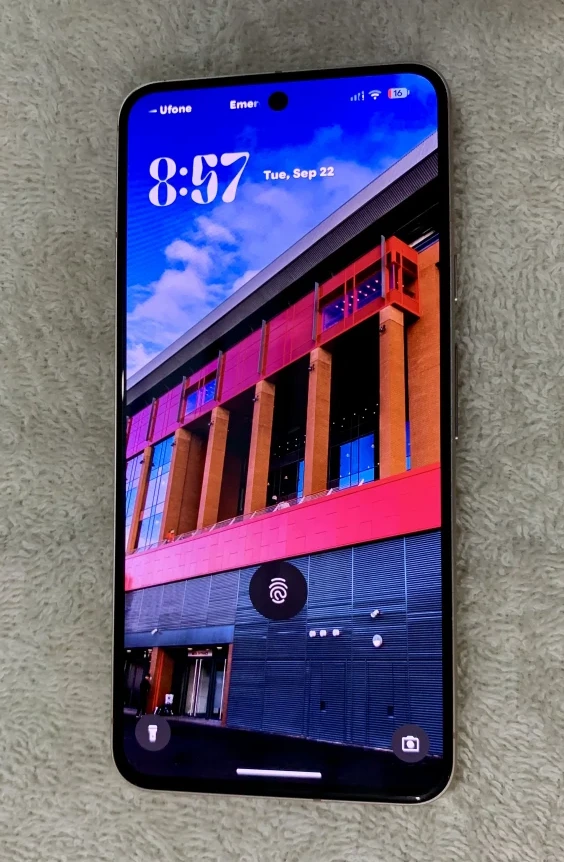
With 128GB and 256GB options, storage space should be enough for most users, with the larger version making more sense for heavier photo, video, and app use.
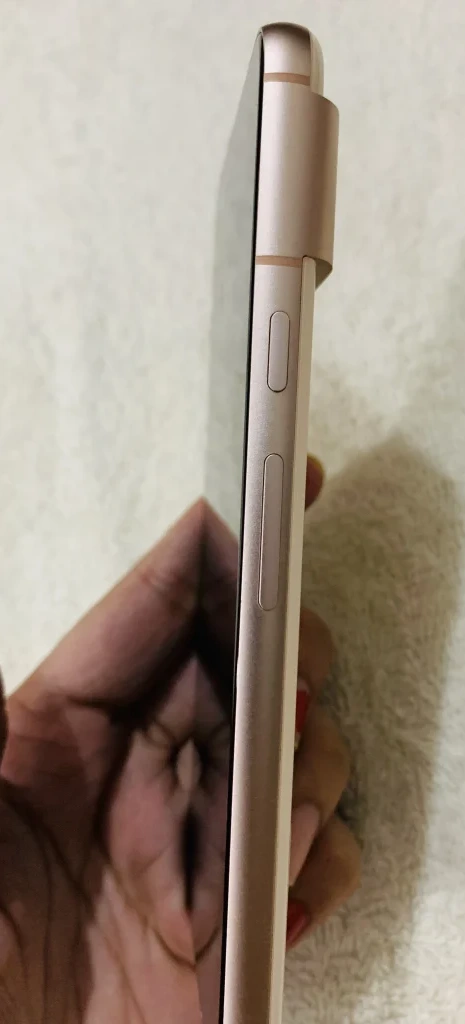
The compact size of Pixel 8 also stands out. At 150.5 × 70.8 × 8.9 mm and 187g, it avoids the oversized feel of many current flagship phones.
That doesn’t make Tensor G3 comparable to Google’s latest chips. It simply means an older processor isn’t automatically a problem if the phone still handles the things you actually do with it.
The Camera Is What Azeem Likes Most
Azeem considers the camera one of the best things about his Pixel 8, preferring its photo output over other Android phones he has used.
Camera preferences are subjective, and we have something more useful than a claim anyway: photos from the actual phone.
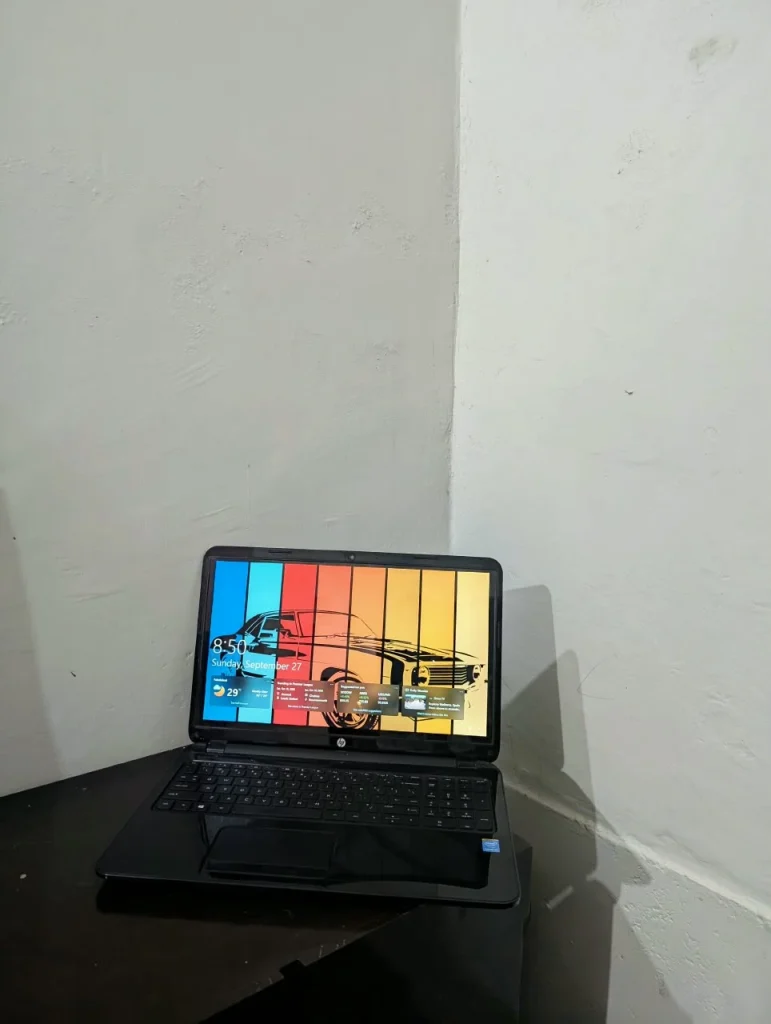



The Pixel 8 uses a 50MP wide camera and 12MP ultrawide camera with autofocus, while the main camera includes optical and electronic image stabilization.
While newer flagship options like the Google Pixel 10 introduce updated sensor hardware, the Pixel 8’s computational photography remains strong enough to compete directly with brand-new mid-range phones.
Battery Life Has Been Normal, Not Exceptional
Azeem describes the Pixel 8’s battery performance as typical for a daily-driver Android phone, neither a standout strength nor a major drawback.
Real-world battery drain varies based on display time, app usage, network connectivity, and other activities that can consume power in the background, rather than a static lab hour count.
For a device released in 2023, battery aging is an essential factor to keep in mind, as two- or three-year-old devices can vary significantly in remaining health.
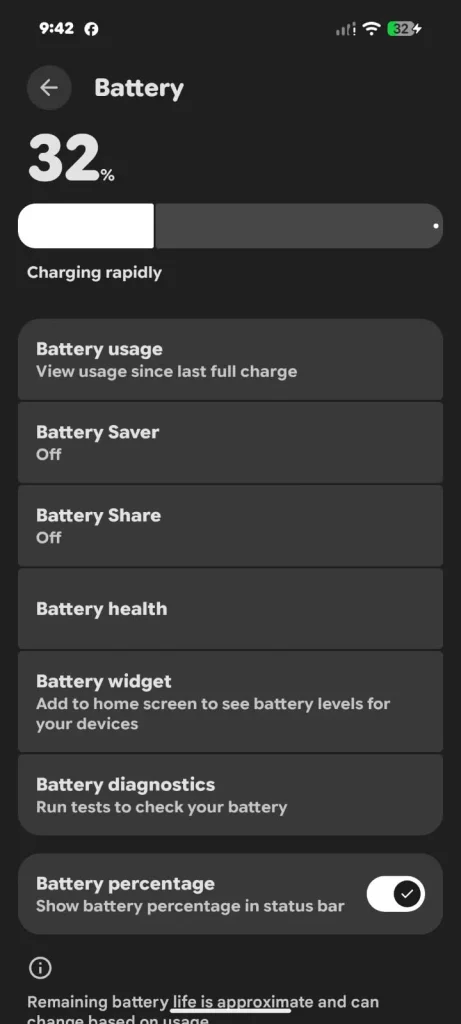
If overall battery endurance is your top priority, check the physical battery health of any used unit or compare it against newer mid-range alternatives rather than relying on its original 4,575mAh specification.
Our Pixel 8 Is Still Receiving Current Updates
The long-term software commitment is where the Pixel 8 holds its biggest advantage over other secondary-market Android devices.
Checking Azeem’s device directly confirms that real-world support remains active.
Under Settings > System > Software updates, his unit displays “Your device is up to date,” running the latest system patches.
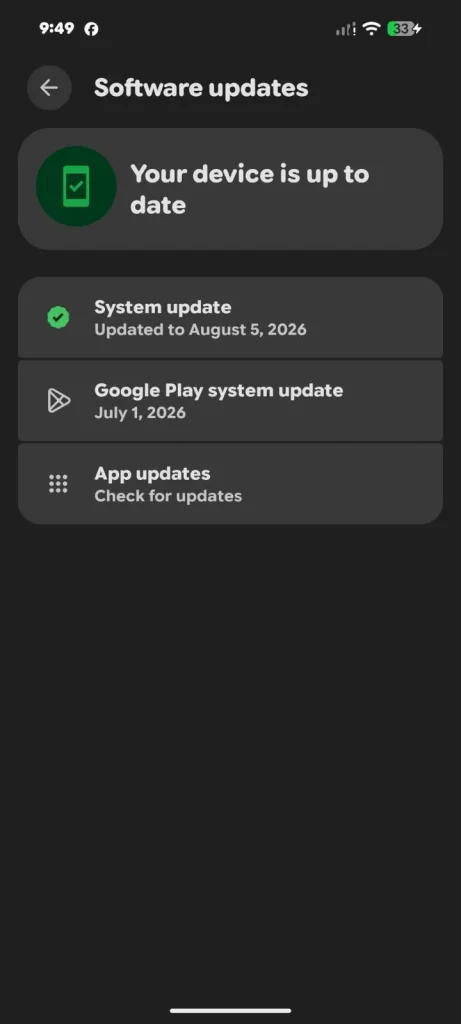
Beyond day-to-day patch status, Google guarantees seven full years of OS upgrades, security patches, and regular Pixel Drops for the Pixel 8 and later series. This confirms official software support through October 2030.
The hardware has certainly aged, but you’re not buying an Android phone that’s about to lose official software support.
It Still Gets the Pixel Experience
A closer look at the phone’s software reveals something a spec sheet fails to capture: the actual Pixel software experience itself.
His Pixel Tips screen currently highlights Pixel Drop features, Camera and Gemini, alongside other device guidance.
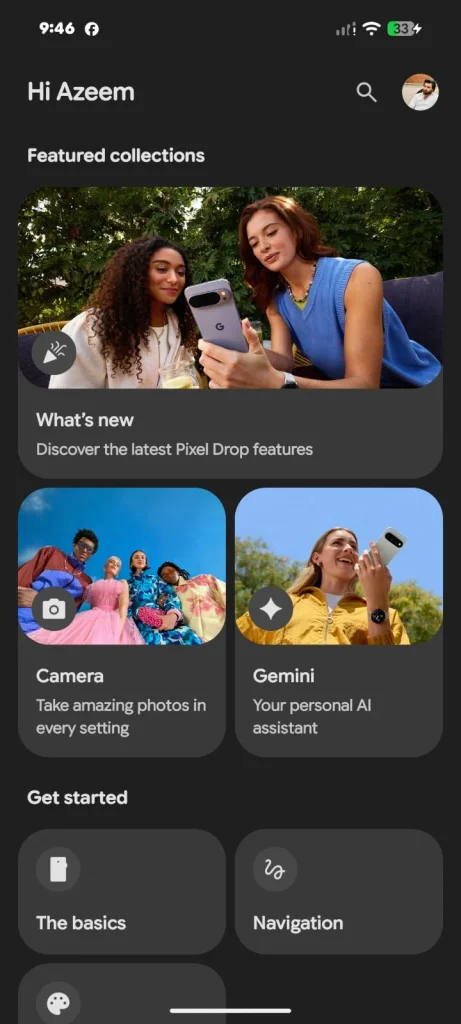
For users who prefer Google’s clean approach to Android, this steady stream of feature updates is a major part of the appeal.
Hardware Limitations and What to Check Before Buying
The software support indeed remains long-term; however, evaluating a secondary-market Pixel 8 comes down to real-world hardware wear and current pricing relative to newer devices.
The Tensor G3 still handles everyday tasks smoothly, but it falls behind newer chips in demanding graphics and thermal performance. Battery health is another thing to check, as older units will have lost some of their original capacity.
Instead of relying on its original $699 launch price, weigh a clean Pixel 8 against current mid-range or newer Pixel options.
If you find a unit in solid physical condition at a steep discount, its combination of top-tier camera processing, compact ergonomics, and software updates through 2030 offers compelling value.
However, if the price gap between it and a newer model is narrow, investing in current-generation hardware is the smarter move.
Who Should Buy the Pixel 8 in 2026?
The Google Pixel 8 remains a compelling buy for specific user needs, provided the price and physical condition align:
- Ideal For: Anyone seeking a compact Android phone with flagship-tier camera quality, Google’s clean software interface, and official update support through 2030, all at a secondary-market discount.
- When to Pass: Buyers prioritizing all-day battery endurance, peak mobile gaming performance, or those who find the price gap between a clean Pixel 8 and a newer model too narrow.
Azeem’s long-term experience shows why the phone still holds up: the camera output remains a standout, everyday performance stays reliable, and active software updates keep it modern.
While battery endurance is average rather than exceptional, finding a clean unit at a steep discount offers a smart, budget-conscious route into flagship Android performance.

2 Comments
Pingback: Google Pixel 11 Brings VoLTE Fix For Imported Devices
Pingback: October Update Likely Brings Final Patch Pixel 6 series